

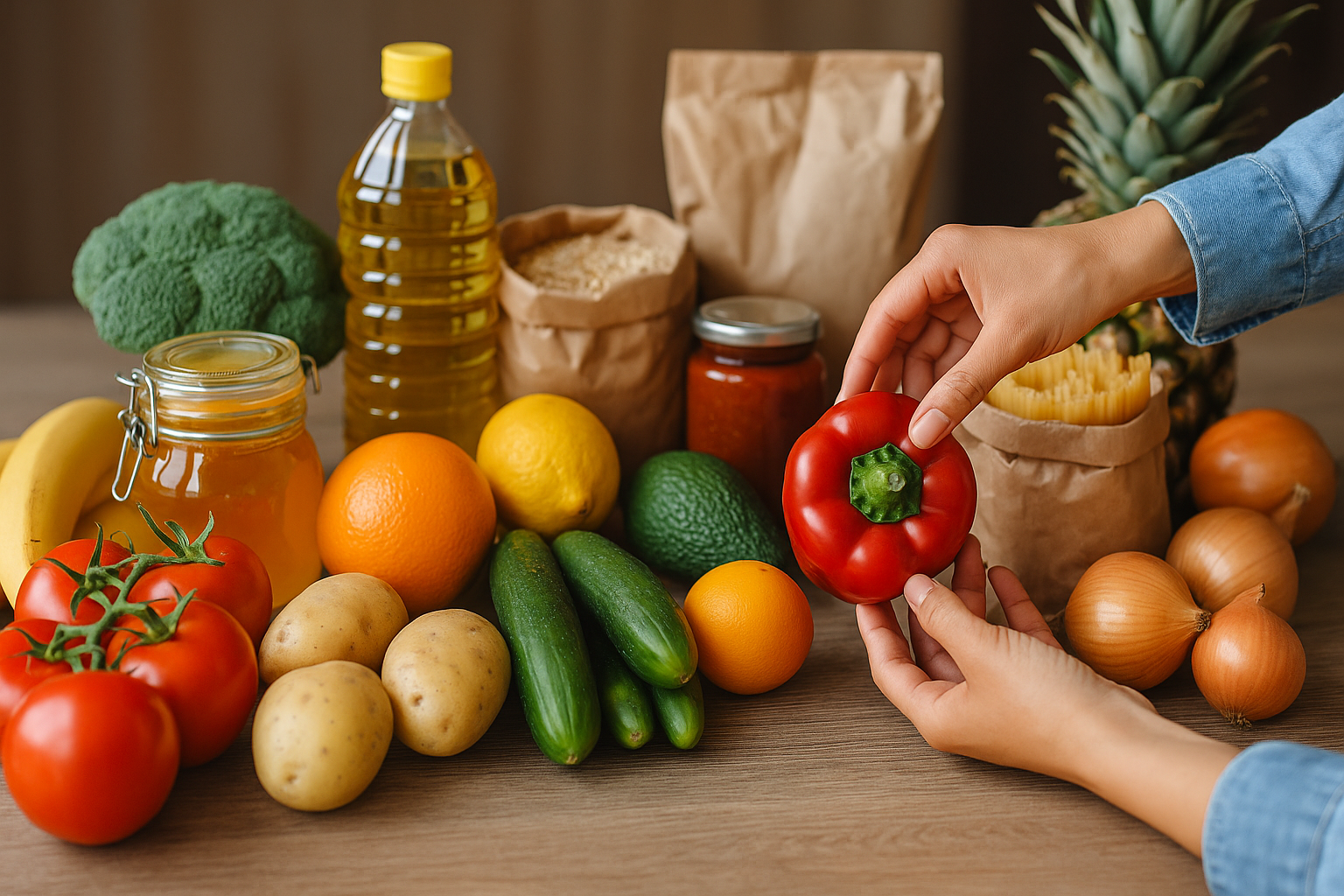
How evolving preferences are rewriting the rules — and what brands must do to stay relevant
The Indian food and beverage (F&B) landscape is in the midst of a massive transformation — and it’s not just about global brands entering local markets. It’s about Indian consumers changing faster than ever, driven by new priorities, digital discovery, rising aspirations, and health consciousness.
At EGK Enterprises, we watch these shifts closely — because staying relevant means staying responsive. Here’s a breakdown of the top 5 consumer trends shaping the present (and future) of India’s F&B market — and how brands can align to them.
Consumers today don’t just want tasty food — they want food that supports their lifestyle goals. Immunity, digestion, energy, mental clarity — these are becoming purchase drivers.
We’re seeing:
Demand for immunity-boosting ingredients like turmeric, ashwagandha, and ginger
A shift to low-sugar, low-sodium, and preservative-free products
Growth in fortified drinks and snacks with added proteins, vitamins, or herbs
Higher scrutiny of labels, even in Tier 2 and Tier 3 cities
🟢 What it means for brands:
Make your health angle real — not marketing fluff. Highlight ingredients and their purpose. Be transparent. And avoid “greenwashing” — today’s consumer will fact-check you.
The rise of hyper-local pride is a trend we didn’t see coming so strong. From “grandmother-style” pickles to “authentic Andhra podis” — consumers are seeking brands that feel culturally rooted.
They’re not just buying food. They’re buying stories, memories, and identity.
This is especially true in:
Regional spice blends
Traditional sweets and snacks
Homemade-style masalas, pickles, and chutneys
Fermented foods like kanji, sol kadhi, or moringa-based drinks
🟢 What it means for brands:
Go regional, go deep. Tell stories. Use local languages when it matters. And make sure the product actually delivers on the claim — authenticity can’t be faked.
Time-starved millennials and Gen Z consumers are demanding ready-to-use, not just ready-to-eat. It’s not enough to sell a masala — consumers want meal kits, single-serve sachets, or resealable pouches.
We’re seeing a sharp rise in:
DTC brands offering subscription models
1-minute beverage blends (coffee, kadha, smoothies)
Pre-cooked spice pastes and marinades
Healthy snack-on-the-go packs
Convenience is no longer just a value-add — it’s a core expectation.
🟢 What it means for brands:
Rethink your packaging. Streamline prep time. Offer variety in portion sizes. And test for shelf stability without compromising taste or nutrition.
In urban and semi-urban India, the F&B discovery journey starts not at kirana stores — but on Instagram, YouTube, WhatsApp, and eCommerce listings.
What consumers see online — influencer reviews, unboxing videos, Amazon ratings — shapes trial decisions. Brand trust now starts with scrolls and swipes.
We also see more:
Peer-based referrals on WhatsApp
Visual storytelling through short-form reels
Recipe content as a tool to promote ingredients
QR-code based storytelling on packaging
🟢 What it means for brands:
Think content-first, not just product-first. Invest in visual assets, user-generated content, and influencer collaborations that align with your values. And treat your digital shelf with as much respect as your retail one.
While still emerging, eco-consciousness is rising, especially among urban youth and young families.
From biodegradable packaging to clean sourcing and water-efficient manufacturing — brands that demonstrate sustainability are seen as more forward-looking and ethical.
We’re observing:
Customers asking about plastic usage
Preference for glass jars, paper wraps, refill pouches
Interest in sourcing stories: where is this grown? how is it processed?
Support for brands that avoid food waste or promote upcycled ingredients
🟢 What it means for brands:
Start small but start now. Even a single change — compostable spoons, or recycled cardboard boxes — can become a talking point. But remember: it must be genuine, not performative.
More people are cooking at home than ever — not because they have to, but because they want to. Cooking is now:
A form of creative expression
A social activity (especially for couples and young families)
A way to experiment with global and regional flavors
This opens doors for:
Cross-cultural spice kits
DIY recipe boxes
Chef-collab product lines
QR-led recipe suggestions from packaging
Brands that educate and inspire will win love — and loyalty.
The Indian consumer isn’t static. They’re curious, connected, and constantly evolving. They’re reading ingredient labels, watching influencer reviews, and trying that new millet-based snack — all in one week.
At EGK, we believe the brands that win are the ones that:
Listen to signals early
Adapt with empathy
Innovate with integrity
And stay obsessed with relevance
Our approach isn’t to follow trends blindly — but to build sustainable, scalable, human-centric brands that evolve with the consumer.
And in the food and beverage sector, that’s not a choice. It’s the only way forward.
Cillum facilisi. Proident turpis? Fringilla? Tempore potenti, voluptatum, quisque pulvinar aliqua vero, netus duiner inima bibendum id ipsum.
Give us a call !
Have a project in mind?
Copyright © 2025 EGK Enterprises. All rights reserved.